
Front-load guide
Front-Load Dumpsters for Property Managers
Apartment communities, multi-tenant buildings and warehouses on schedules you can change with one call. Here is how to size each property and what tenants must keep out.
By Migena Gjonaj, Owner · Last updated November 23, 2026
Quick answer
Size each property on its own: a 6-yard front-load container for a small apartment community or a multi-tenant office building, an 8-yard for a large community or a warehouse. Pickups run 1 to 5 times a week. Appliances with refrigerant, tires, car batteries and yard waste stay out.
Start with
6-yard front-load
6-yard holds
About 72 bags per pickup
Pickups
1 to 5 a week
Service area
Macomb, Wayne, Oakland
On this page
Which size and pickup schedule fits?
A 6-yard for a small community or a multi-tenant building, an 8-yard for a large community or a warehouse.
- A 6-yard holds about 72 trash bags per pickup; an 8-yard about 96.
- The 6 and 8-yard containers accept bulky items, which helps at move-out.
- Each property gets its own size and schedule, so a busy building can have more pickups than a quiet one.
- Overflow before pickup day is the sign to add a pickup or move up a size.
Bags per week for each size, from our container capacities (bags per pickup × pickups a week):
Size
2-yard
Outside size (L × W × H)
6' × 3' × 3'
Bags per pickup
About 24
Weight limit
450 lbs
1 pickup a week
About 24 bags
2 pickups a week
About 48 bags
3 pickups a week
About 72 bags
5 pickups a week
About 120 bags
Size
4-yard
Outside size (L × W × H)
6' × 4.5' × 4'
Bags per pickup
About 48
Weight limit
850 lbs
1 pickup a week
About 48 bags
2 pickups a week
About 96 bags
3 pickups a week
About 144 bags
5 pickups a week
About 240 bags
Size
6-yard
Outside size (L × W × H)
5' × 6' × 6'
Bags per pickup
About 72
Weight limit
1,100 lbs
1 pickup a week
About 72 bags
2 pickups a week
About 144 bags
3 pickups a week
About 216 bags
5 pickups a week
About 360 bags
Size
8-yard
Outside size (L × W × H)
7' × 6' × 6'
Bags per pickup
About 96
Weight limit
1,600 lbs
1 pickup a week
About 96 bags
2 pickups a week
About 192 bags
3 pickups a week
About 288 bags
5 pickups a week
About 480 bags
| Size | Outside size (L × W × H) | Bags per pickup | Weight limit | 1 pickup a week | 2 pickups a week | 3 pickups a week | 5 pickups a week |
|---|---|---|---|---|---|---|---|
| 2-yard | 6' × 3' × 3' | About 24 | 450 lbs | About 24 bags | About 48 bags | About 72 bags | About 120 bags |
| 4-yard | 6' × 4.5' × 4' | About 48 | 850 lbs | About 48 bags | About 96 bags | About 144 bags | About 240 bags |
| 6-yard | 5' × 6' × 6' | About 72 | 1,100 lbs | About 72 bags | About 144 bags | About 216 bags | About 360 bags |
| 8-yard | 7' × 6' × 6' | About 96 | 1,600 lbs | About 96 bags | About 192 bags | About 288 bags | About 480 bags |
The 2 and 4-yard sizes take general non-bulky waste; the 6 and 8-yard also take bulky items. See the 6-yard front-load dumpster.
What can go in
- Tenants' bagged trash
- Cardboard boxes, flattened
- Bulky items such as furniture, in a 6 or 8-yard
- Common-area and leasing-office trash
- Paper and plastic packaging
What can't go in
Trash from a front-load container goes to a landfill, so Michigan's landfill ban list applies. First the items that matter most for property managers:
Refrigerators, freezers, air conditioners and dehumidifiers
Under EPA's Section 608 rule, refrigerant must be recovered before final disposal, with a signed statement naming who recovered it and when. Arrange appliance pickup separately.
Source: EPA Section 608: Safe disposal requirements for refrigerant appliancesTires and car batteries left by tenants
Lead-acid batteries are banned from Michigan landfills and must go to a retailer, distributor, manufacturer or approved facility. Whole tires are banned above a de minimis number.
Source: MCL 324.11514; MCL 324.17102Grass clippings and leaves from grounds crews
Yard waste above a de minimis amount is banned from Michigan landfills, apart from narrow exceptions. Have it composted instead.
Source: MCL 324.11514; MCL 324.11555Paint, solvents and pool chemicals
EGLE: household hazardous waste isn't banned from landfills but is not well suited to solid waste disposal, and most hazardous waste from businesses must go to a licensed hazardous waste facility.
Source: EGLE: Landfill prohibited materials and appropriate disposal optionsFluorescent tubes from hallways and garages
EPA handles lamps as universal waste, collected for recycling rather than thrown in the trash.
Source: EPA: Universal waste
Michigan's landfill ban list (every business)
Liquids
Bulk liquids and waste with free liquids are banned from Michigan landfills. EGLE: bulk liquids from businesses must be solidified before they can lawfully go to a landfill.
Source: MCL 324.11514; EGLE: Landfill prohibited materials and appropriate disposal optionsUsed oil
Banned from landfills. EGLE: used petroleum-based oil must be recycled in Michigan.
Source: MCL 324.11514; EGLE: Hazardous waste and liquid industrial by-products FAQsLead-acid batteries
Banned from landfills. They must go to a retailer, distributor, manufacturer or an approved collection or recycling facility.
Source: MCL 324.11514; MCL 324.17102Whole tires
More than a small (de minimis) number of whole tires is banned. Scrap tires go to a registered scrap tire hauler or a solid waste hauler.
Source: MCL 324.11514; MCL 324.16902Yard waste
More than a small (de minimis) amount is banned, apart from narrow exceptions such as diseased or infested plants.
Source: MCL 324.11514; MCL 324.11555Regulated hazardous waste
Banned from landfills, along with PCBs, sewage and low-level radioactive waste.
Source: MCL 324.11514Michigan deposit bottles and cans
More than a small (de minimis) amount of used beverage containers is banned. Return them for the deposit.
Source: MCL 324.11514; EGLE: Solid waste FAQs
Placement tips
- Give each building a container residents can reach without crossing traffic, and post a short sign of what can and can't go in.
- Pick a level, hard spot the truck can drive straight up to. A front-load truck lifts the container from the front, so nothing should block that side on pickup day.
- Keep parked cars, delivery trucks and snow piles away from the container and its approach. If the driver can't reach it, it can't be emptied that day.
- Close the lid after every use. It keeps rain and snow out, which keeps the load lighter and free of liquid.
- Your city or township may have rules on where a business keeps its container and whether it needs a screened enclosure. Check with the zoning or building office before you build one.
How pickups work
- 1We bring the containerWe place your front-load container at your business in Macomb, Wayne or Oakland County.
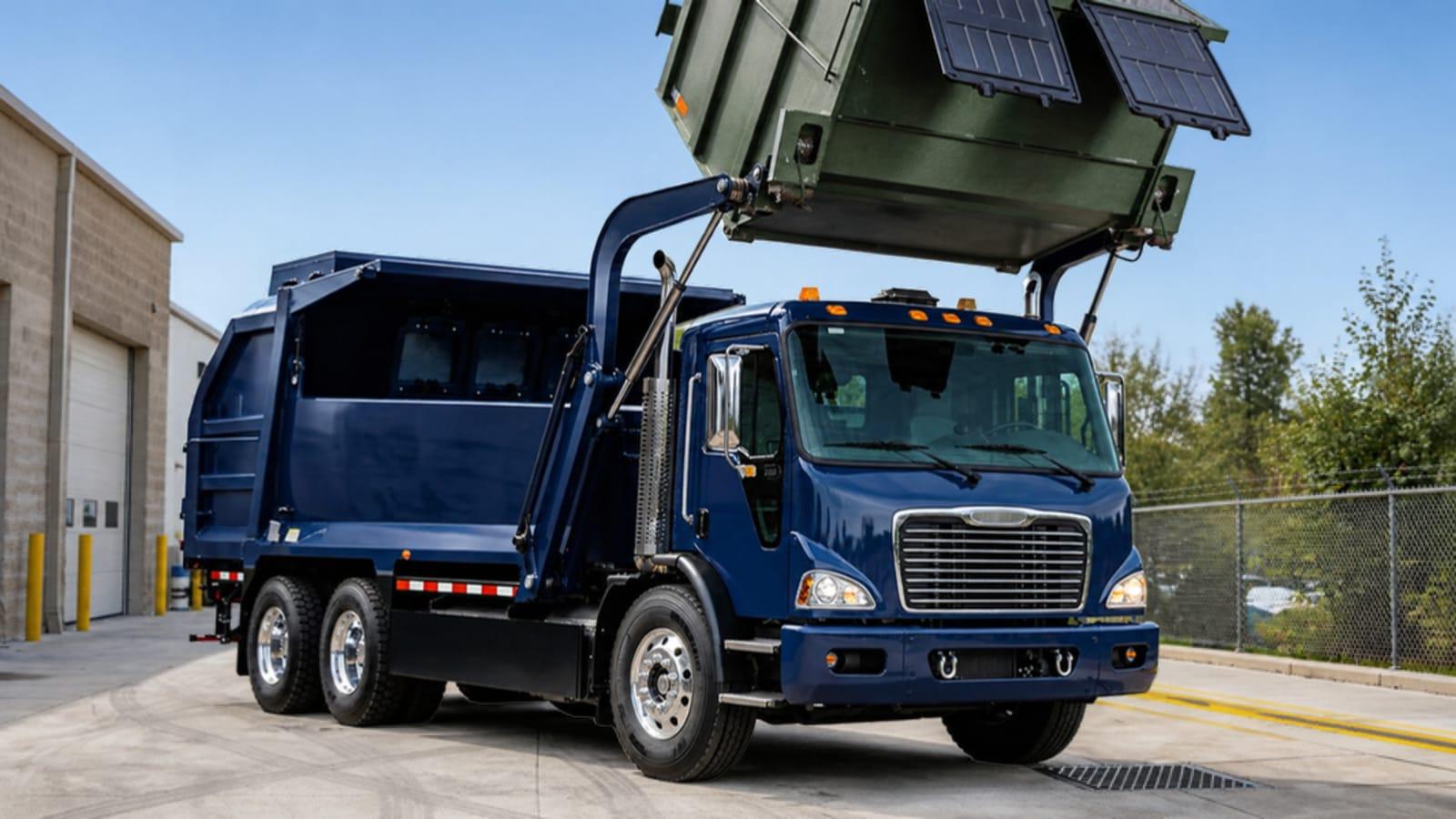
- 2We empty it on your pickup daysYou choose 1 to 5 pickups a week. On each one the truck lifts the container, empties it and sets it back in its spot.
- 3Change it with one callMore pickups, fewer pickups or a different size: call 586-412-3762.
Common questions
Sources
Official sources, checked November 23, 2026. Sizes, bag counts and weight limits are Blue Sky's own container specifications.
- Michigan Compiled Laws 324.11514 (materials prohibited from landfills)
- EGLE: Landfill prohibited materials and appropriate disposal options
- EGLE: Hazardous waste and liquid industrial by-products FAQs
- Michigan Compiled Laws 324.17102 (where lead acid batteries must go)
- Michigan Compiled Laws 324.16902 (who may take scrap tires)
- Michigan Compiled Laws 324.11555 (yard waste exceptions)
- EGLE: Solid waste FAQs
- EPA Section 608: Safe disposal requirements for refrigerant appliances
- EPA: Universal waste (batteries, pesticides, mercury-containing equipment, lamps, aerosol cans)
Related guides
Pick your size
Tap Book now on a size. The front-load calculator opens with that size picked: enter your business address, choose your pickups a week and see your monthly price.
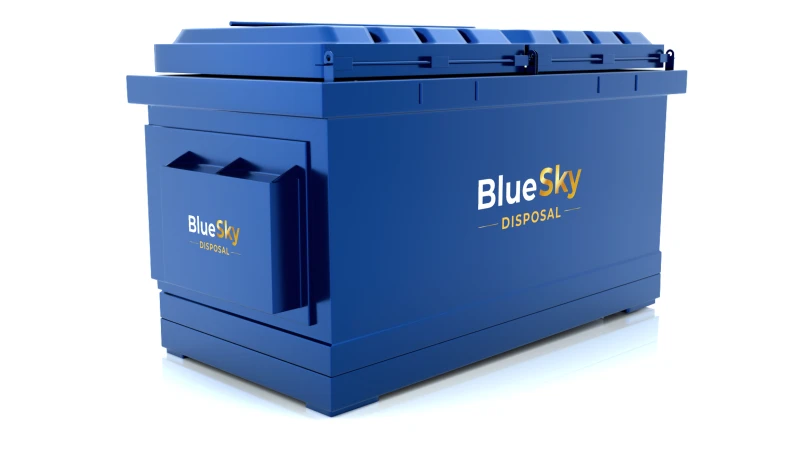
2-yard
About 24 bags per pickup
Small offices, salons, cafes and single retail units with light weekly waste
Book now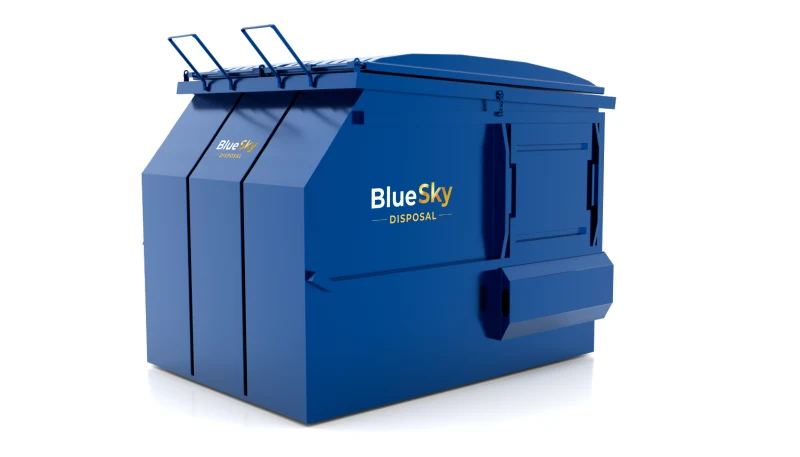
4-yard
About 48 bags per pickup
Restaurants, medical offices and retail stores with steady daily waste volume
Book now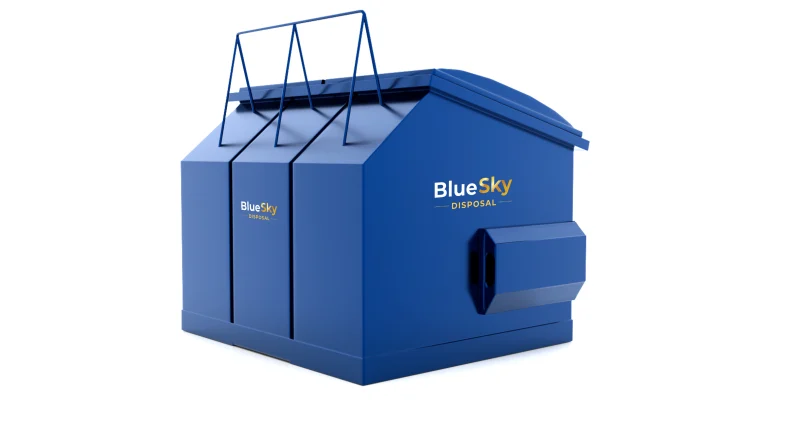
Suggested for property managers
6-yard
About 72 bags per pickup
Small apartment communities, busy restaurants and multi-tenant office buildings
Book now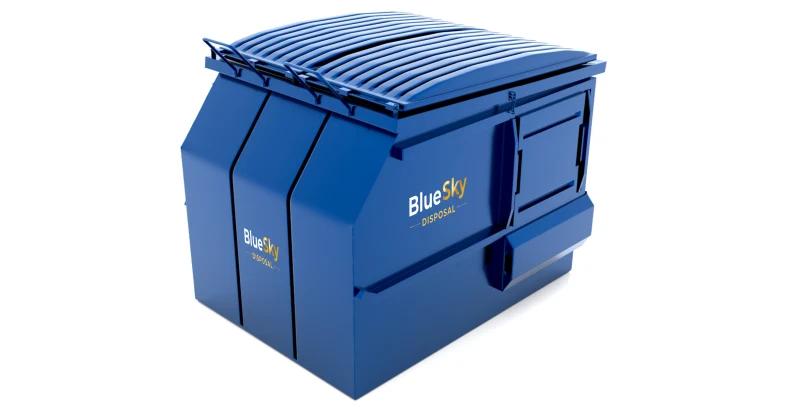
8-yard
About 96 bags per pickup
Large apartment communities, warehouses and high-volume commercial operations
Book now